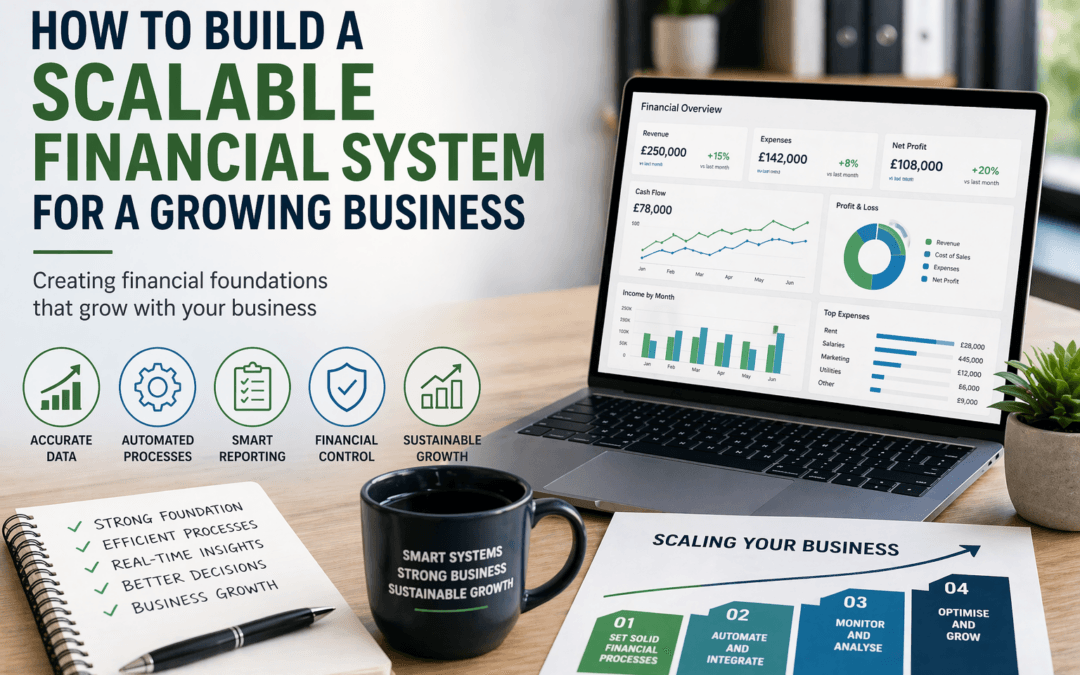
Choosing the right accounting software is one of the most important decisions you can make for your business. The right system can save you time, improve accuracy, and give you real-time insight into your finances. The wrong one, however, can lead to confusion, inefficiency, and costly mistakes.
With so many options available, it’s easy to feel overwhelmed. This guide will help you understand what to look for, compare your options, and choose accounting software that truly supports your business.
Why Accounting Software Matters
Gone are the days of spreadsheets and manual bookkeeping. Modern accounting software allows you to:
- Track income and expenses automatically
- Generate financial reports instantly
- Stay compliant with HMRC requirements
- Monitor cash flow in real time
By using the right software, you reduce the risk of human error and gain a clearer understanding of your financial position. This allows you to make better business decisions with confidence.
Understand Your Business Needs
Before choosing any software, it’s important to consider what your business actually requires. Not all systems are built the same, and what works for one business may not suit another.
Ask yourself:
- Are you a sole trader or limited company?
- Do you need payroll or VAT features?
- How many transactions do you handle monthly?
- Do you need multi-user access?
Understanding your needs will help narrow down your options and prevent you from paying for features you don’t use.
Cloud-Based vs Desktop Software
Most modern businesses now use cloud-based accounting software, and for good reason.
Cloud-based software allows you to:
- Access your accounts from anywhere
- Work in real time
- Automatically back up data
- Integrate with other tools
Desktop software, while still used in some cases, is generally less flexible and requires manual updates.
For most small businesses, cloud accounting is the preferred choice due to its convenience and scalability.
Key Features to Look For
When comparing accounting software, there are several essential features to consider:
1. Invoicing and Billing
Create and send professional invoices quickly, and track payments easily.
2. Expense Tracking
Record and categorise expenses to keep your accounts organised.
3. Bank Integration
Connect your bank account for automatic transaction updates.
4. VAT and Tax Support
Ensure the software is compliant with UK tax regulations, including Making Tax Digital.
5. Reporting and Insights
Generate profit and loss reports, cash flow forecasts, and other key financial data.
6. Payroll Functionality
If you have employees, payroll features can simplify wage management and submissions.
Choosing software with the right features ensures your system supports your daily operations efficiently.
Ease of Use Is Essential
Even the most powerful software is useless if it’s difficult to use. A user-friendly interface is crucial, especially if you’re managing your own accounts.
Look for:
- Simple navigation
- Clear dashboards
- Easy data entry
- Helpful tutorials or support
The easier the software is to use, the more likely you are to keep your records up to date and accurate.
Integration with Other Tools
Many businesses rely on multiple tools for different functions, such as CRM systems, payment platforms, and e-commerce solutions.
Good accounting software should integrate seamlessly with these tools, allowing data to flow automatically between systems. This reduces manual work and improves overall efficiency.
Scalability for Future Growth
Your business won’t stay the same forever, so it’s important to choose software that can grow with you.
Consider whether the software can:
- Handle increased transaction volumes
- Support additional users
- Add new features as needed
Choosing a scalable solution means you won’t need to switch systems as your business expands.
Security and Data Protection
Financial data is highly sensitive, so security should be a top priority. Reliable accounting software will offer:
- Secure data encryption
- Regular backups
- Strong access controls
Cloud-based systems often provide higher levels of security than manual or local systems, giving you peace of mind that your data is protected.
Popular Accounting Software Options
In the UK, some of the most widely used accounting platforms include:
- Xero
- QuickBooks
- Sage
Each of these offers a range of features designed for different types of businesses. The right choice depends on your specific needs, budget, and preferences.
Cost vs Value
While cost is an important factor, it shouldn’t be the only consideration. Cheaper software may lack essential features, while more expensive options may include tools you don’t need.
Focus on value rather than price:
- Does the software save you time?
- Does it improve accuracy?
- Does it support compliance?
Investing in the right system can save money in the long run by reducing errors and improving efficiency.
Getting Set Up Properly
Choosing the software is only the first step—setting it up correctly is just as important.
This includes:
- Importing your financial data
- Setting up your chart of accounts
- Connecting bank feeds
- Configuring VAT settings
A proper setup ensures your system works accurately from the start and avoids issues later on.
The Benefits of Professional Guidance
If you’re unsure which software to choose or how to set it up, professional advice can be invaluable.
An accountant can:
- Recommend the best system for your needs
- Set up the software correctly
- Provide training and support
- Ensure compliance with HMRC requirements
This helps you get the most out of your system and avoid common setup mistakes.
Final Thoughts
Choosing the right accounting software is a key step in building a strong financial foundation for your business. With the right system in place, you can streamline your processes, improve accuracy, and gain better control over your finances.
Take the time to assess your needs, compare your options, and choose a solution that supports both your current operations and future growth. With the right software, managing your accounts becomes simpler, more efficient, and far less stressful.