
EXPERIENCED ACCOUNTANTS
Limited Company vs Sole Trader – Choosing the Right Business Structure
One of the most important decisions when starting or growing a business is choosing whether to operate as a sole trader or a limited company. Each structure comes with different legal, financial, and tax implications, and the right choice depends on your income level, risk exposure, and long-term goals. Our role is to help you understand these differences clearly, so you can make an informed decision that supports both compliance and growth.
Both options are recognised by HM Revenue & Customs, but they are treated very differently for tax, reporting, and liability purposes. Understanding how these structures compare in real-world terms is essential before committing to either route.







What Is a Sole Trader?
A sole trader is the simplest and most common business structure in the UK. As a sole trader, you and your business are legally the same entity. This means you keep all profits after tax, but you are also personally responsible for any debts or liabilities.
Sole traders register directly with HMRC and report income through Self Assessment. The administrative burden is lighter, making this structure appealing for new businesses, freelancers, and individuals testing a business idea. However, simplicity often comes at the cost of higher personal risk and, in some cases, less tax efficiency as income grows.
What Is a Limited Company?
A limited company is a separate legal entity from its owners (directors and shareholders). This separation provides limited liability, meaning personal assets are generally protected if the business encounters financial difficulties.
Limited companies must register with Companies House, prepare statutory accounts, and pay Corporation Tax on profits. Directors can pay themselves through a combination of salary and dividends, offering greater flexibility and potential tax efficiency at higher income levels. However, this structure comes with increased reporting responsibilities and ongoing compliance requirements.
Tax Differences Between Sole Trader and Limited Company
Tax is often the deciding factor when comparing these two structures. Sole traders pay Income Tax and National Insurance on profits, with rates increasing as income rises. Limited companies pay Corporation Tax on profits, and directors then pay tax on personal income received from the company.
At lower income levels, sole trader status can be more straightforward and cost-effective. As profits increase, limited companies often become more tax-efficient due to lower Corporation Tax rates and flexible remuneration planning. Understanding where this tipping point lies is crucial to making the right choice.
Liability & Risk Considerations
Risk exposure is another key difference. Sole traders have unlimited liability, meaning personal assets can be at risk if the business incurs debts or legal claims. For businesses operating in higher-risk industries or taking on significant contracts, this can be a major concern.
Limited companies offer greater protection through limited liability, reducing personal financial risk. This structure is often preferred for businesses planning to scale, employ staff, or work with larger clients who require a corporate structure.
Administrative & Reporting Responsibilities
Get in touch with us today for further information

01273 044170
Perception & Business Credibility
How your business is perceived can also influence your decision. Some clients, suppliers, and lenders view limited companies as more established and credible, particularly in competitive or regulated industries.
While many successful sole traders operate without issue, a limited company structure can enhance professional image and open doors to larger contracts or funding opportunities.

Flexibility, Growth & Long-Term Planning
Sole trader status offers flexibility and simplicity, making it ideal for early-stage businesses or those with modest income expectations. However, it can become restrictive as profits grow or business operations become more complex.
Limited companies provide greater flexibility for growth, including bringing in shareholders, retaining profits within the business, and planning long-term tax strategies. For businesses with ambitions to scale, incorporation often provides a stronger foundation.
Switching From Sole Trader to Limited Company
Many businesses start as sole traders and later incorporate as income increases. This transition must be handled carefully to avoid tax issues, disruption, or missed opportunities.
We provide clear guidance on when and how to incorporate, managing the transition smoothly and ensuring compliance at every stage. This includes advising on timing, asset transfer, and registration requirements.
Our YouTube Channel
Our Services
What we can offer
Bookkeeping
Click to view all services
XERO
Click to view all services
VAT Returns
Click to view all services
CIS Returns
Click to view all services
Happy to help you with all your accounting needs. Contact us today for more information.
Self Assessment Tax Returns
Click to view all services
Company Formations
Click to view all services
Company Accounts
Click to view all services
Corporate Tax Returns
Click to view all services
Why Professional Advice Matters
Choosing the wrong structure can lead to unnecessary tax costs, increased risk, or administrative burden. With expert guidance, you gain clarity on the financial and legal implications of each option and confidence that your choice supports your long-term objectives.
Speak to a Business Structure Specialist
If you’re unsure whether to operate as a sole trader or limited company—or considering switching structures—professional advice can make all the difference. We provide clear, practical guidance to help you choose the structure that best supports your business now and in the future.
Cost Differences Between Sole Traders and Limited Companies
Cost is often overlooked when choosing a business structure, yet it plays a key role in long-term sustainability. Sole traders generally face lower ongoing costs, as reporting requirements are simpler and accountancy fees tend to be lower. There is no requirement to prepare statutory accounts or file separate Corporation Tax returns, which keeps administration lean.
Limited companies, on the other hand, incur higher compliance costs due to additional reporting obligations. These include annual accounts, Corporation Tax returns, payroll processing, and confirmation statements. While costs are higher, they are often offset by improved tax efficiency and greater financial flexibility at higher income levels. Understanding this balance is essential when weighing short-term savings against long-term benefits.
Income Thresholds & When Structure Really Matters
Many business owners ask whether there is a specific income level at which becoming a limited company makes sense. While there is no universal threshold, the difference becomes more noticeable as profits increase.
At lower profit levels, the simplicity of sole trader status often outweighs tax advantages. As income grows, higher Income Tax and National Insurance rates can make sole trader status less efficient. Limited companies often become more attractive once profits reach a level where dividend planning and Corporation Tax offer measurable savings. This is where tailored advice becomes particularly valuable.
Frequently Asked Questions (FAQs)
What services do you offer?
We provide a range of accounting services including bookkeeping, tax preparation, payroll management, and financial consulting.
How can I schedule a consultation?
You can schedule a consultation by calling our office, emailing us, or using the contact form on our website.
Do you offer services for individuals as well as businesses?
Yes, we offer tailored accounting services for both individuals and businesses.
What are your fees for accounting services?
Our fees vary depending on the service and the complexity of your needs. Contact us for a personalised quote.
Are your accountants certified?
Yes, all our accountants are fully certified and have extensive experience in the field.
How do you handle my confidential financial information?
We adhere to strict confidentiality protocols and use secure systems to protect your financial information.
Can you help with my tax returns?
Absolutely. We offer comprehensive tax preparation and filing services to ensure compliance and maximize your returns.
Do you provide accounting software support?
Yes, we can assist with setting up and managing various accounting software systems.
What industries do you specialise in?
We have experience in a wide range of industries, including retail, hospitality, construction, and more.
How can I contact you for support or questions?
You can reach us via phone, email, or through the contact form on our website. Our team is ready to assist you with any inquiries.

Why Bookkeeping Backlogs Cost You More Than You Think — And How to Fix Them Fast
For many small business owners, bookkeeping is the task that gets pushed to “next week” again and again—until suddenly you’re staring at months of unrecorded expenses, missing receipts, unreconciled bank accounts, and unanswered queries from HMRC or your accountant....

The Smart Guide to Year-End Prep: How UK Businesses Can Stay Ahead of HMRC
For many business owners, year-end can feel chaotic: deadlines approach, paperwork piles up, and last-minute scrambles become the norm. But it doesn’t have to be that way. With the right preparation and a clear understanding of what HMRC expects, year-end can become a...
The Benefits of Monthly vs. Quarterly Bookkeeping Reviews
For small business owners, keeping on top of the books is a constant challenge. Between day-to-day operations, managing clients, and chasing growth, financial admin often falls to the bottom of the to-do list. However, regular bookkeeping reviews are essential for...
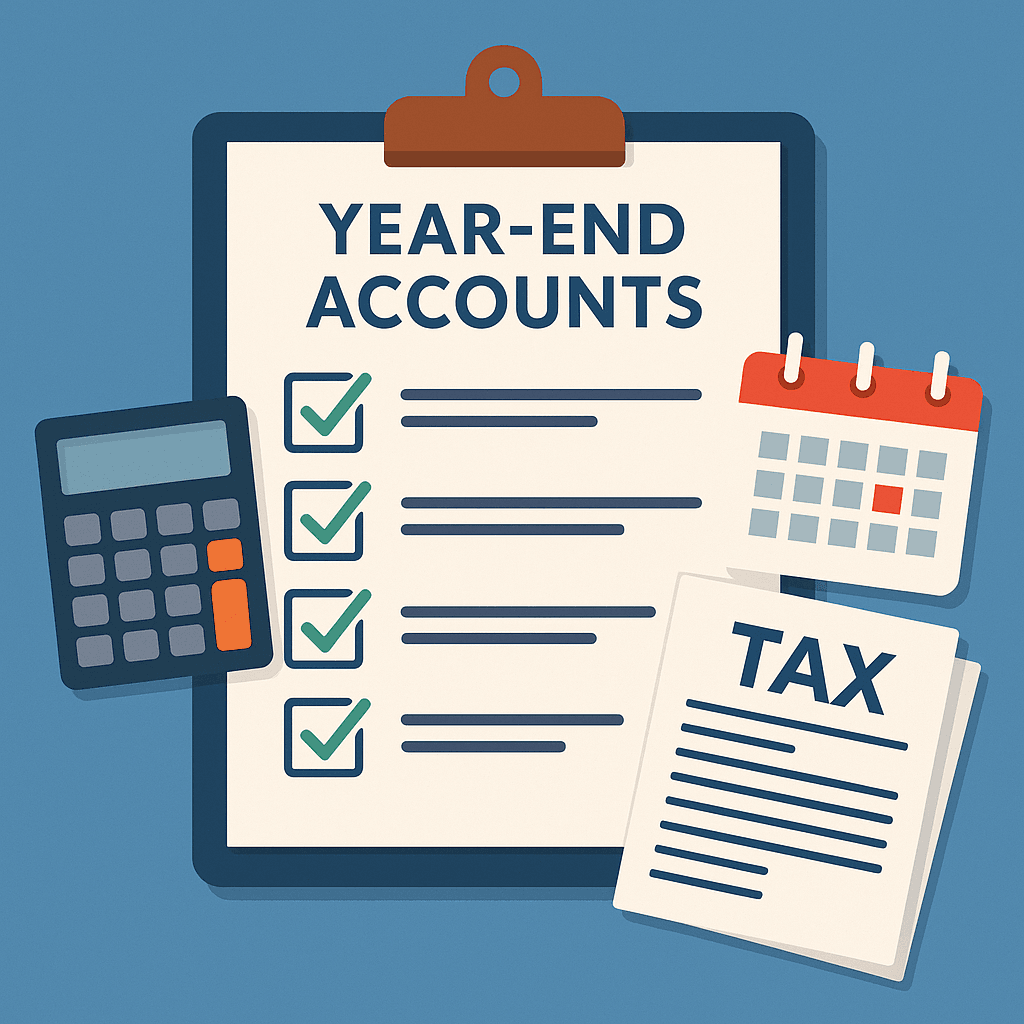
Year-End Accounts: A Checklist for Stress-Free Filing
For many business owners, year-end accounts can feel overwhelming. Deadlines, paperwork, and financial details all pile up, and without proper organisation, the process can quickly turn stressful. The good news is that with a clear plan and a structured checklist,...
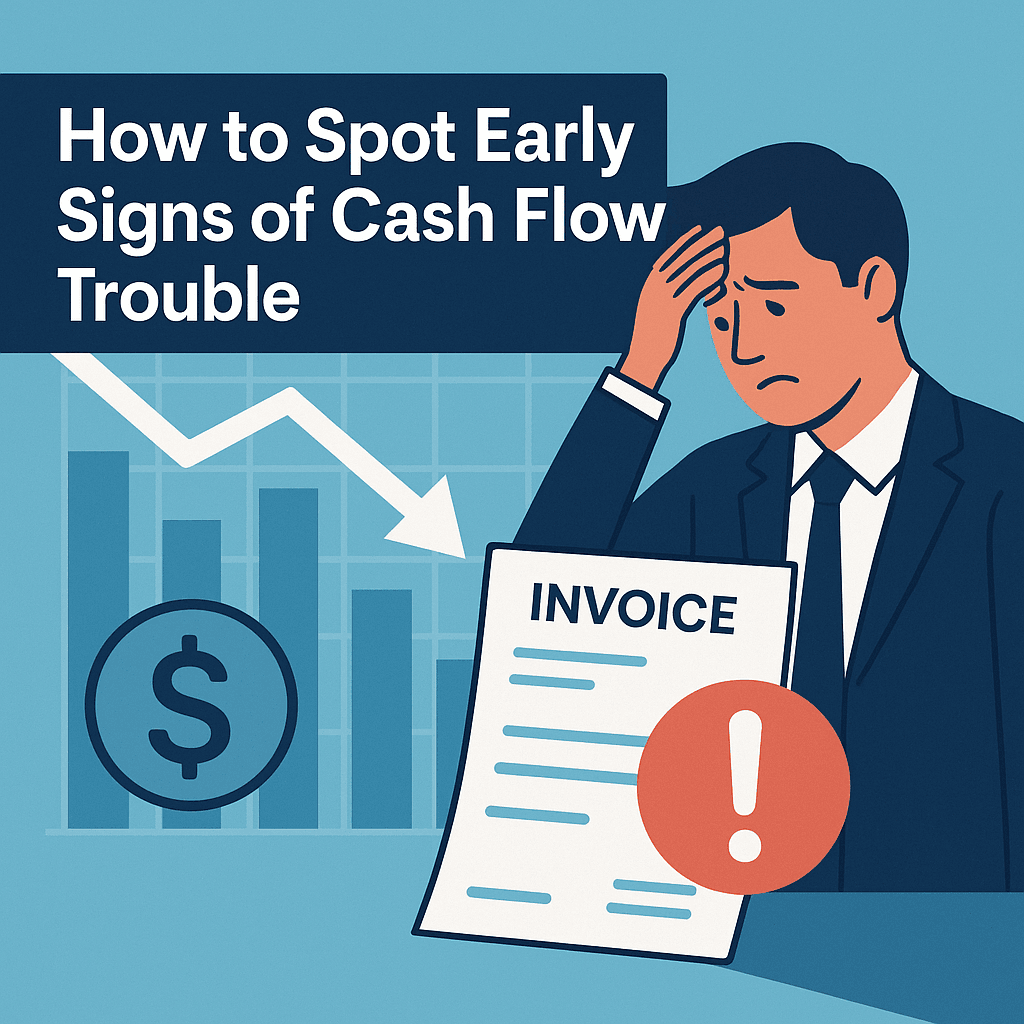
How to Spot Early Signs of Cash Flow Trouble
Cash flow is often described as the lifeblood of a business, and with good reason. Even profitable companies can find themselves in financial difficulty if they don’t have enough cash available to cover everyday expenses. Spotting the warning signs early is the key to...
Tax-Efficient Ways to Pay Yourself as a Business Owner
One of the biggest challenges for small business owners is deciding how to pay themselves. Unlike traditional employees who simply receive a salary, business owners have several options—each with its own tax implications. Choosing the right method can help you...